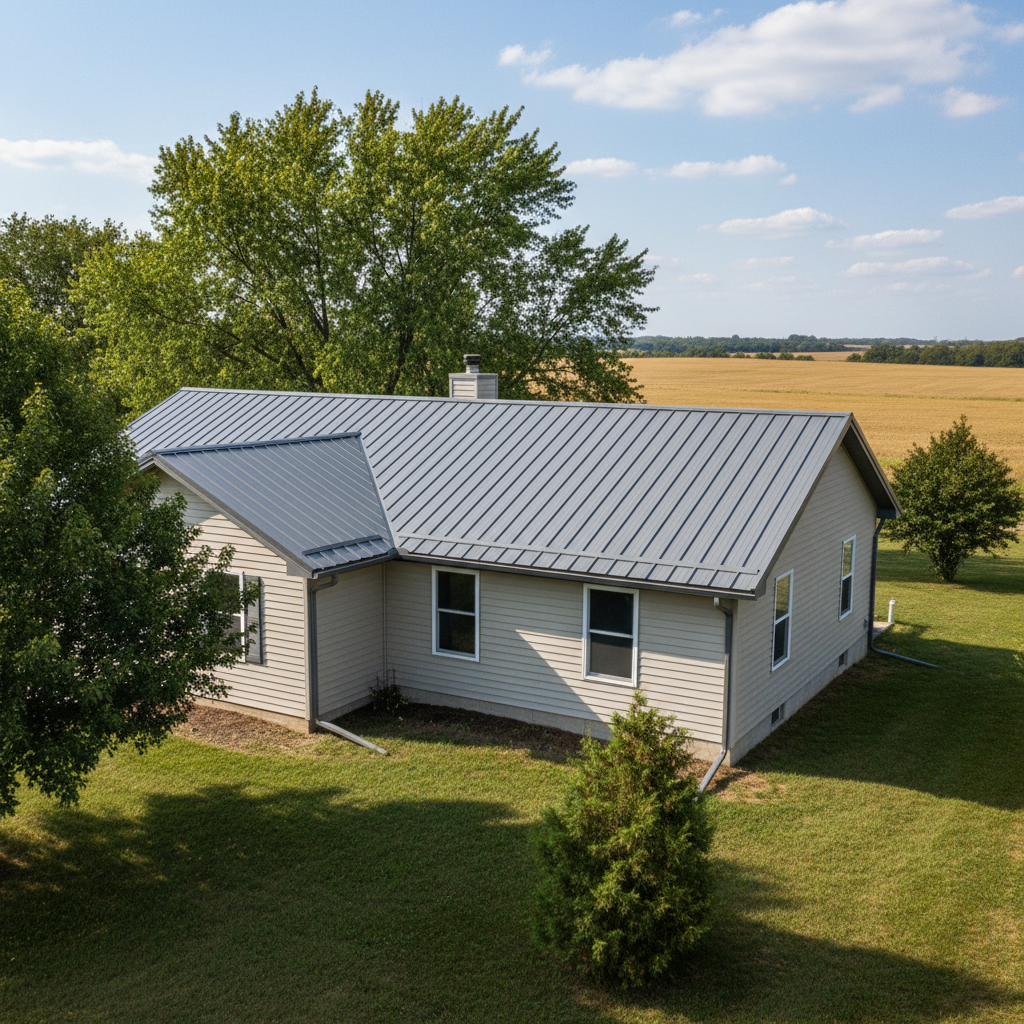
So, you're thinking about a metal roof. Smart move. They're tough, last forever, and honestly, they look great on a lot of homes around Derby. But I've seen folks make some real head-scratchers when they're planning these projects, and it usually ends up costing them more money, more headaches, or both. Let's talk about what to avoid.
Mistake #1: Not Vetting Your Contractor Properly
This is probably the biggest one, and it's not just for metal roofs, but it's especially critical here. Metal roofing isn't like slapping down asphalt shingles. It requires specialized knowledge, tools, and experience. I've seen guys who usually do stick-built homes or general remodeling suddenly decide they're metal roof experts. They're not. They might be good at other things, but metal is different.
- Check their experience: Ask specifically about their metal roofing projects. How many have they done? Can they show you examples?
- Verify licensing and insurance: This isn't just a formality. If someone gets hurt on your property and they're not insured, guess who's liable? You are. Make sure they're properly licensed to work in Kansas and carry full liability and worker's comp insurance. Ask for certificates, don't just take their word for it.
- Get references: Talk to previous clients. Ask if the job was on time, on budget, and if they'd hire them again.
- Read reviews: Google, Facebook, whatever. See what people are saying. Look for patterns, good or bad.
A good contractor will be transparent about all of this. If they're cagey, that's a huge red flag.
Mistake #2: Choosing the Wrong Metal Type or Gauge
Not all metal roofs are created equal. You've got steel, aluminum, copper, zinc. Then there are different profiles: standing seam, corrugated, metal shingles. And within those, you've got different gauges (thicknesses). I've seen homeowners jump at the cheapest quote, only to find out they're getting a really thin, flimsy metal that's more prone to denting or oil canning.
Here in Derby, with our hail storms and high winds, you really want something robust. A thinner gauge might save you a few bucks upfront, but it won't stand up to the elements as well. You'll be replacing it sooner, or dealing with repairs. A good contractor will explain the pros and cons of each type and gauge for your specific home and our local weather patterns. Don't just assume all metal is the same.
Mistake #3: Ignoring Proper Underlayment and Ventilation
A metal roof is only as good as what's underneath it. I've seen crews cut corners on the underlayment, using basic felt paper when a high-quality synthetic underlayment or even an ice and water shield would be much better, especially around vulnerable areas like valleys and eaves. This is crucial for preventing leaks, especially with the heavy rain and snowmelt we sometimes get.
And ventilation? Oh man, this is a big one. People think metal roofs make your attic hotter. Not necessarily, if it's vented right. Proper attic ventilation is key to preventing moisture buildup, mold, and premature aging of your roof deck. It also helps with energy efficiency. If your contractor isn't talking about your attic ventilation plan for your new metal roof, that's a problem. You need good intake and exhaust to keep air moving. Without it, you're just asking for trouble down the road.
Mistake #4: Not Considering Noise and Expansion/Contraction
Some folks get a metal roof and then complain about the noise when it rains. While modern metal roofs with proper decking and insulation are much quieter than older versions, it's still something to consider. If you're sensitive to noise, talk to your contractor about insulation options that can help dampen sound. We've put metal roofs on homes in neighborhoods like Meadowlark and the newer developments, and it's rarely an issue if done right, but it's worth discussing.
Another thing is thermal expansion and contraction. Metal expands when it's hot and shrinks when it's cold. This is why fasteners and panel systems are designed to allow for movement. If a contractor doesn't understand this and fastens everything too rigidly, you can get buckling, oil canning, or even fastener failure. This is another area where specialized experience really pays off.
Mistake #5: Focusing Only on the Initial Cost
Look, I get it. Money matters. But a metal roof is a long-term investment, often lasting 50 years or more. If you pick the cheapest bid, you're almost certainly sacrificing quality somewhere. Maybe it's the gauge of the metal, the quality of the fasteners, the underlayment, or the experience of the crew. These shortcuts will catch up to you.
Think about the lifetime cost. A slightly more expensive, properly installed metal roof will save you money on repairs, energy bills (due to reflective coatings), and replacement costs down the line. It also adds value to your home. When you're comparing bids, ask for a detailed breakdown of materials and labor. Understand what you're paying for. At Derby Roofing Company, we always aim for transparency so you know exactly what you're getting.
Don't regret your metal roof project. Do your homework, ask the tough questions, and choose a contractor who knows their stuff. You'll be glad you did.