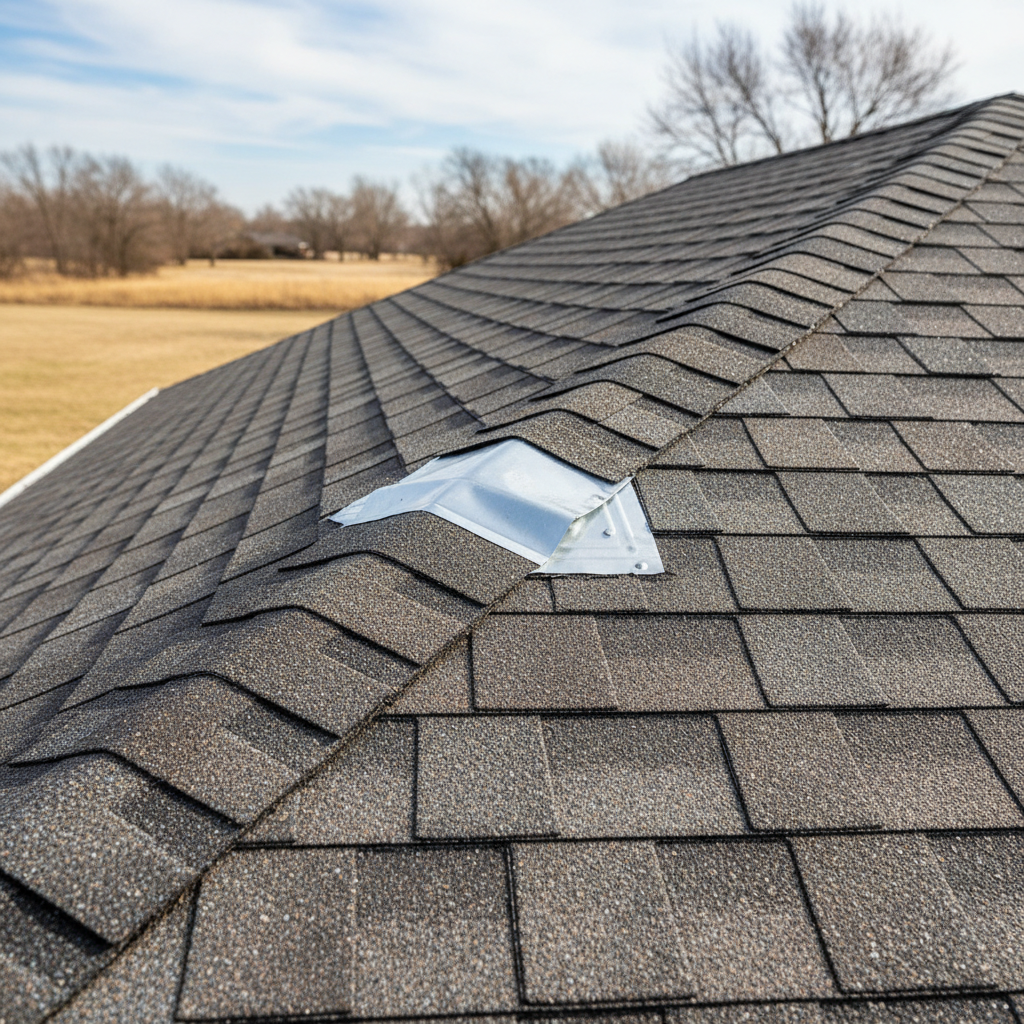
Alright, Derby. We all know what it's like when a nasty storm rolls through. One minute it's sunny, the next you're hearing hail the size of golf balls or winds that sound like a freight train. When the dust settles, or the rain stops, the first thing on your mind is usually, "Is my house okay?"
Dealing with storm damage can feel overwhelming, but it doesn't have to be a total nightmare. I've seen plenty of homes in neighborhoods like Meadowlark and Stone Creek take a beating, and I've helped folks get things back to normal. Here's what you need to know before, during, and after the repair process.
Before the Storm Hits (Or Before You Need Repairs)
This is the proactive stuff, and it makes a huge difference. You wouldn't believe how much easier things are if you've got your ducks in a row.
- Know Your Insurance Policy: Seriously, pull it out. Understand your deductible, what's covered (wind, hail, falling trees), and the claims process. Don't wait until you're stressed out with a leaky roof to figure this out.
- Document Your Home: Grab your phone and take pictures or videos of your roof, siding, windows, and anything else outside your house. Do this once a year. If you ever need to file a claim, this visual proof is gold. It shows the condition *before* the damage.
- Find a Reputable Contractor (Now, Not Later): Don't wait for a storm to hit and then scramble. Do your research. Ask neighbors who they've used and trusted. Look for local companies with good reviews. Derby Roofing Company, for example, has been around for years, and we're not going anywhere. Having a name in mind saves you from falling for storm chasers.
Immediately After the Storm: What to Do First
Okay, the storm's passed. What's your next move?
- Safety First: This isn't just a saying; it's critical. Don't go climbing on a wet, damaged roof. Watch out for downed power lines, sharp debris, and unstable structures. If there's a serious safety concern, call emergency services.
- Assess from the Ground: Walk around your property. What can you see? Look for missing shingles, dents on gutters or siding, broken windows, or fallen tree limbs. Take pictures of *everything* you see that looks damaged. These are your initial claim photos.
- Temporary Fixes (If Safe & Simple): If you have a small, active leak, and it's safe to do so, you might be able to put a tarp over the area to prevent further interior damage. This is usually a temporary measure until a professional can assess it properly. Don't risk your neck for a temporary fix; that's what we're here for.
- Call Your Insurance Company: As soon as you've done a quick visual check and ensured safety, report the damage. They'll give you a claim number and tell you the next steps.
During the Repair Process: Working with the Pros
This is where having that trusted contractor lined up pays off.
- Get a Professional Inspection: Your insurance adjuster will do their thing, but you also want your contractor to do a thorough inspection. They might spot damage the adjuster misses, especially subtle hail impacts that can compromise your roof's integrity over time. We've seen plenty of hail damage on the north sides of homes here in Derby that's easy to overlook.
- Understand the Scope of Work: Your contractor should provide a detailed estimate that matches the damage and the insurance scope. Make sure you understand what materials will be used, the timeline, and any warranties.
- Don't Feel Pressured: If a contractor shows up unsolicited after a storm and tries to pressure you into signing something on the spot, that's a huge red flag. Take your time, get multiple estimates if you want, and choose someone you trust.
- Communication is Key: Stay in touch with your contractor and your insurance company. Ask questions if you don't understand something. A good contractor will keep you informed every step of the way.
After the Repairs Are Done: Final Steps
You're almost there! Don't skip these last bits.
- Final Inspection: Walk around your property with your contractor. Make sure everything looks right and the work meets your expectations. Check for debris left behind.
- Get Lien Waivers: Once the work is complete and you've paid, make sure you get a lien waiver from the contractor and any subcontractors. This protects you from future claims against your property if they don't pay their suppliers or workers.
- Update Your Records: Keep all repair documentation, warranties, and insurance paperwork in a safe place. This is important for future home sales or if you ever need to file another claim.
Look, dealing with storm damage is never fun. But by being prepared and knowing the right steps to take, you can make the whole process a lot smoother. We're your neighbors here in Derby, and we're here to help when you need us. Don't hesitate to reach out to Derby Roofing Company if you've got questions or need an inspection.